raizz Sleep Science
Sleep Science Blog
Clear insights to help you understand, improve, and rethink your sleep.
Sleep Science
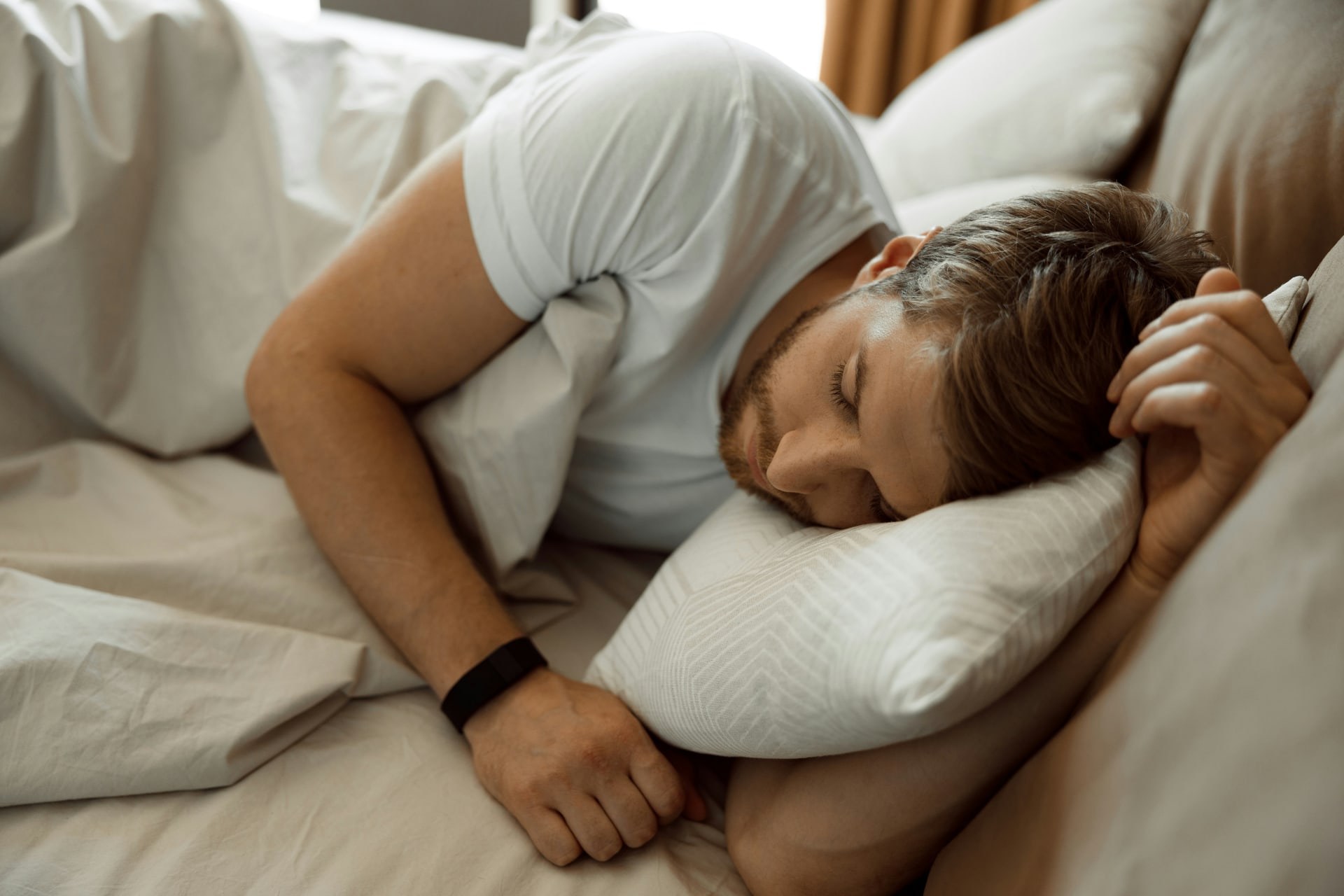
NewHeart Rate During Sleep: Why Does It Change?
Heart rate during sleep changes with non-REM, REM and brief awakenings. Learn why it varies, what wrist signals can tell you, and when changes need attention.
Sleep Science
Sleep Continuity: Why Staying Asleep Matters as Much as Falling Asleep
Sleep continuity is about how well your sleep holds together. Learn what interrupts it, how to support longer stretches of sleep, and when to seek further help.
Sleep Science
Why You May Wake Up Without Remembering It: Micro-Awakenings Explained
Micro-awakenings during sleep can go unnoticed. Learn why you may not remember them, what sleep trackers can tell you, and when nighttime waking deserves care.
Sleep Science
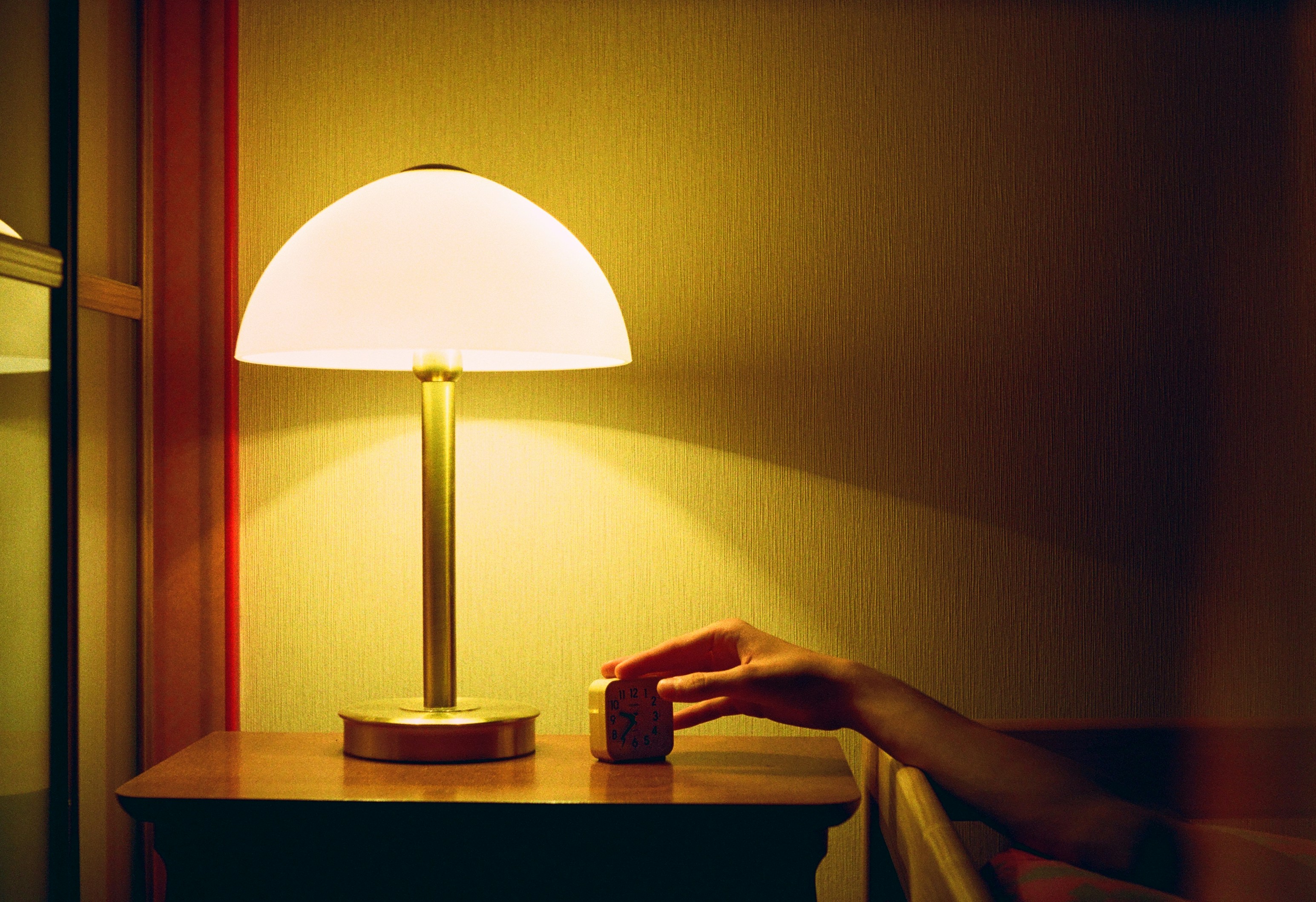
Gratification Snoozing: Why Setting Alarms at Night Can Leave You More Tired
Gratification snoozing means waking on purpose to enjoy going back to sleep. Learn why extra night alarms can leave you tired.
Sleep Science
Can a Vagus Nerve Reset for Sleep Help When You're Tired but Wired?
Considering a vagus nerve reset for sleep? Understand the evidence, choose a calmer bedtime activity, and know when to seek help.
Sleep Better
Why Is It Hard to Sleep on Sunday Night? How to Make Monday Mornings Easier
Why is it hard to sleep on Sunday night? See how Sunday anxiety, weekend timing, and sleep pressure interact, plus what can make Monday easier.
Sleep Better
How Stress Affects Sleep: 5 Ways to Calm Your Mind and Sleep Better
Try five practical ways to calm your mind, reduce nighttime alertness, and make sleep feel more reachable when you are stressed.
Sleep Better
How to Build a Bedtime Routine That Helps Your Brain Prepare for Sleep
Learn how to build a bedtime routine that lowers evening stimulation, protects enough time for sleep, and remains realistic on busy nights.

Sleep Science
Do Naps Affect Deep Sleep? What Nap Timing Really Changes
Do naps affect deep sleep? See how nap timing, length, sleep pressure, and sleep inertia can change the night that follows.
Sleep Better
How to Fix Your Sleep Schedule for Work and Wake Up Less Tired
Learn how to fix your sleep schedule for work by protecting enough sleep, adjusting daily cues, and leaving rigid 90-minute rules behind.
Sleep Better
Perimenopause and Sleep Changes: What You Need to Know
Perimenopause and sleep changes can affect falling asleep, night waking, and daytime energy. Learn why hormones are only part of the picture.
Sleep Better
Why Menopause Steals Your Sleep at 2 A.M. And How to Get It Back
Why menopause can disrupt sleep after midnight, why the wake-up can outlast a night sweat, and what may help you return to rest.
Sleep Better
How to Change Sleep Habits: Why Improving Sleep Is Often Hard
Knowing what helps sleep is different from repeating it. Learn how to make one healthy sleep habit easier to practice when life gets inconvenient.
Sleep Science
Sleep Regularity: Why Timing May Matter More Than Hours
Sleep regularity is how consistently you sleep and wake at the same times. What the Sleep Regularity Index measures, what the research shows, and the one habit that moves it.
Sleep Science
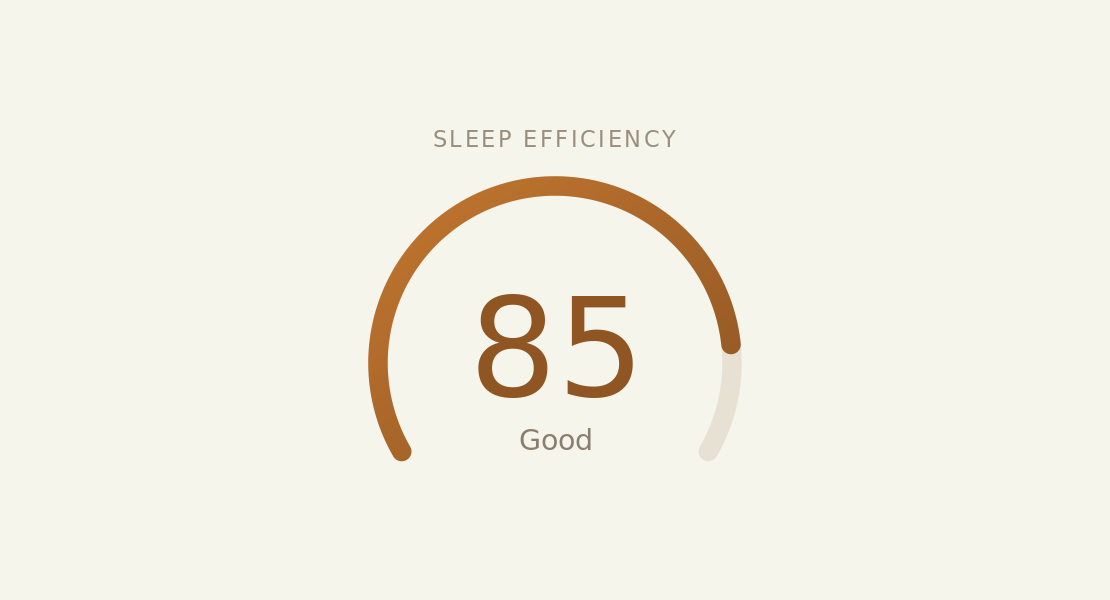
All About Sleep Efficiency: The One Number Worth Watching
Sleep efficiency is the share of your time in bed you actually spend asleep. Here's why 85 percent is the clinical target, why consistency beats a high score, and how to move it.
Sleep Tech
Measuring Sleep Is Not Improving It. What Smart Sleep Devices Can Actually Do.
Most sleep tech measures. Only some of it improves. Here's what the research supports across wearables, closed-loop stimulation, temperature control, and digital CBT-I.

Sleep Better
How to Sleep in the Heat: The Science of Cooling Your Body for Rest
Falling asleep depends on a one-degree drop in core body temperature, and hot nights block it. Here's the thermoregulation science and what actually cools you down.
Sleep Tech
Your Sleep Score Isn't the Whole Story: How to Read Your Sleep Data Without the Anxiety
A sleep score can quietly make you anxious. Here's how to read your sleep data calmly, and why your sleep stages and your own senses matter more than one number.
Sleep Better
How to Get More Deep Sleep
Deep sleep is where your body does its repair work. Here's what actually increases it, what quietly steals it, and how much you really need.
Sleep Better
Sleepmaxxing: What Actually Works and Where to Start
Some sleepmaxxing trends are backed by science. Others are hype, and a few carry real risk. Here's what works, what to skip, and the one habit that matters most.
Sleep Better
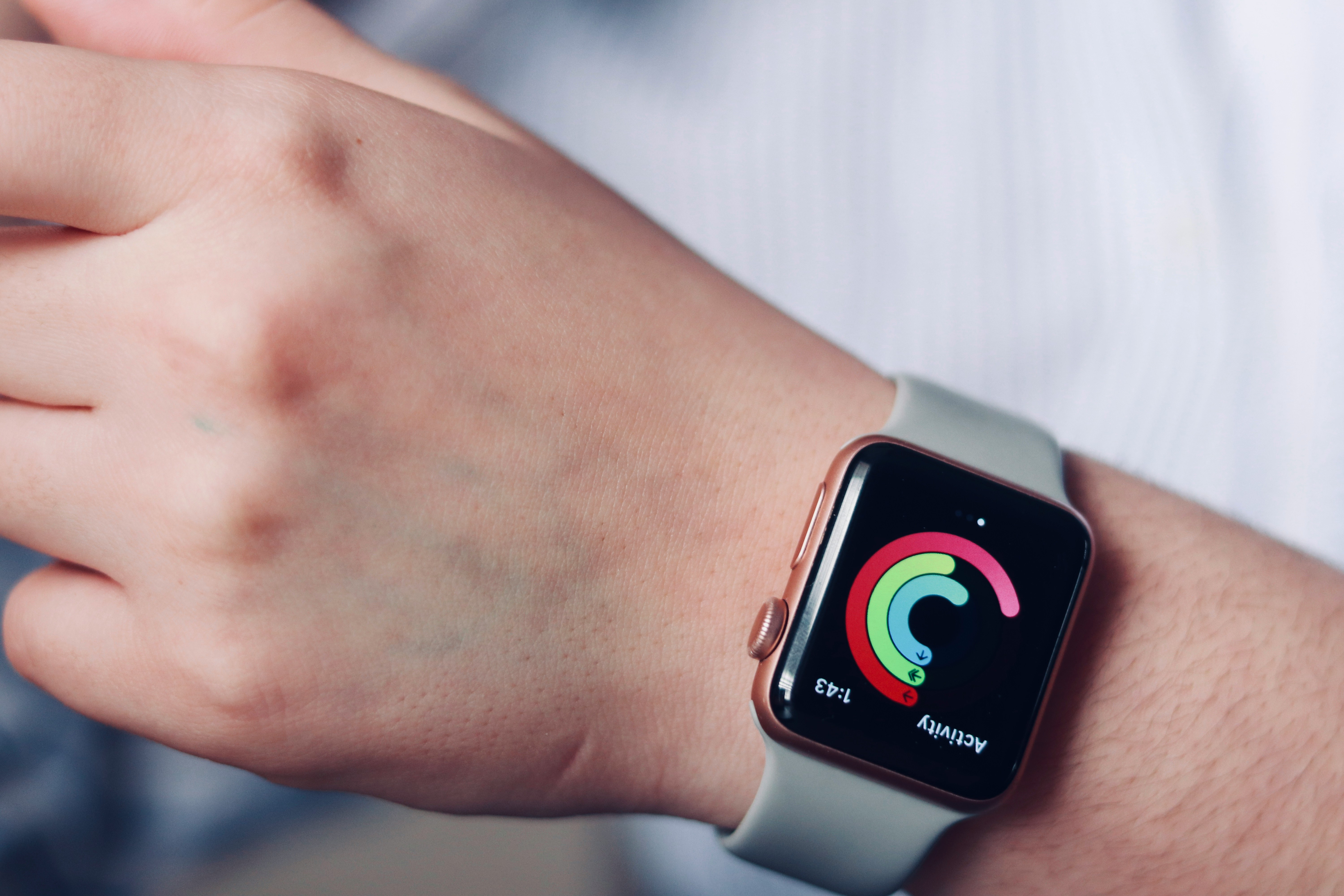
Sleep Trackers vs. Active Sleep Improvement: Why Tracking Isn't Enough
48% of adults now use a sleep tracker. Most still feel tired. Here's the gap between watching your sleep data and actually changing it.
Sleep Better
Sleep Hygiene Is More Than a Checklist. Here's How to Make It Work as a System.
The habits aren't the problem. Not understanding why they work is. Here's how sleep hygiene maps to the biology behind it.

Lifestyle
Sleep Better. Live Fully.
Sleep isn't the end goal. What it gives you is the clarity, energy, and patience to live this one life according to what actually matters to you.
Sleep Science
You Wake Up at 3 AM for a Reason. Here It Is.
It's not random. Waking at 3 AM is driven by specific biology. Here's why it happens and what you can actually do about it.

Sleep Science
Why Waking at a Fixed Time Feels Awful: What Sleep Cycles Have to Do with It
You're getting the hours but mornings still feel terrible. The issue isn't effort. It's where you are in your sleep cycle when the alarm goes off.
Sleep Science
Why You Can't Fall Asleep: A Systems View of Sleep Onset
Struggling to fall asleep isn't about willpower. It's about system state. Learn why your nervous system stays activated at bedtime and how to work with it.
Sleep Science
Sleep Is a System: How to Actually Improve It, Not Just Track It
Tracking sleep scores won't fix your sleep. Learn how sleep works as a system, the three levers that move the needle, and what adaptive technology can do.
Research
From Tracking to Training: The Emergence of Adaptive Sleep Systems
Measurement alone does not translate into meaningful improvement. Discover how adaptive systems are changing that.
Sleep Science
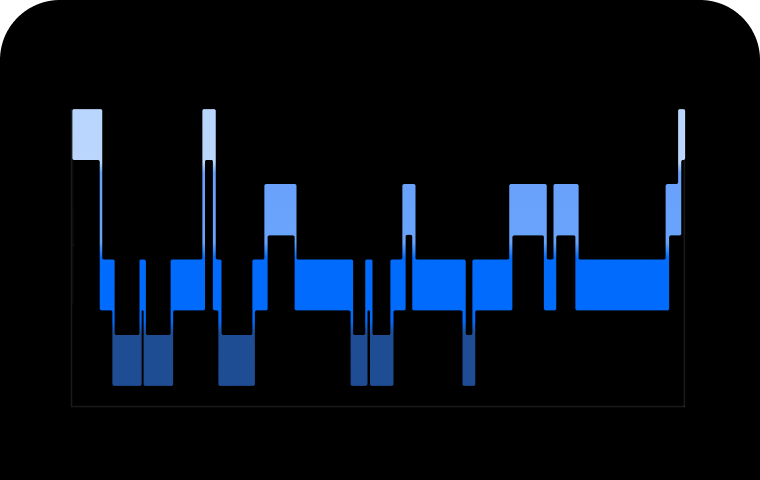
Beyond Sleep Scores: Understanding Sleep as a Biological System
Sleep is not a uniform state. Each stage contributes to cognitive recovery, metabolic balance, and restoration.
Guide
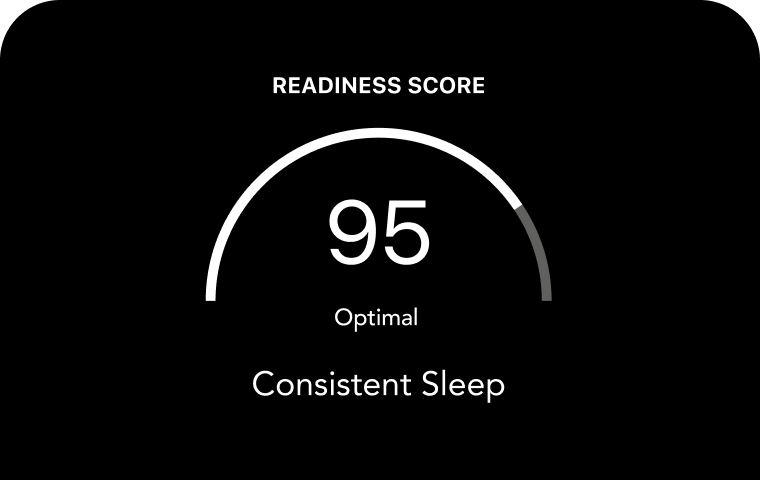
Sleep Health Metrics Guide: Deep Sleep, REM, WASO and More
Wearable tracking has changed consumer awareness of sleep, but the key metrics remain widely misunderstood.

Founder Story
Holly's Story: From Apple Health Sensors to Founding AxiLab
After 12 years building health sensors at Apple, she left to create AI-powered sleep recovery technology inspired by her own journey.