Why Menopause Steals Your Sleep at 2 A.M.
And How to Get It Back
 10 min read ·

The heat passes. The room cools. But your mind is still awake.
At 2 A.M., getting your sleep back can feel much harder than falling asleep the first time.
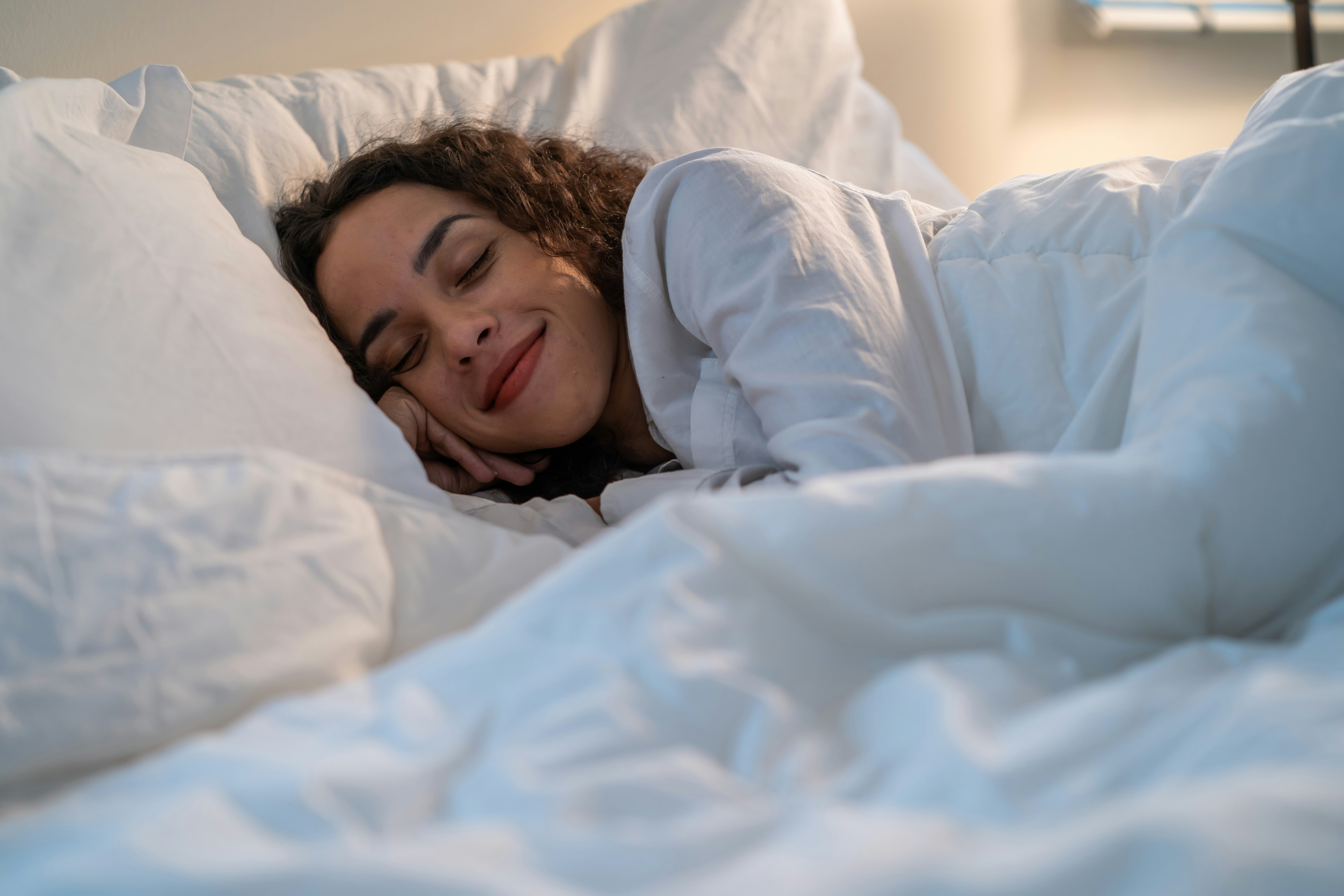
Sleep, improved in real time
Get early access to better, more stable sleep.
It is 2:07 A.M. You woke up hot, pushed away the covers, and waited for the heat to pass. Now the room feels cool again, but sleep has not returned. Your body is tired while your mind is alert.
This is the moment behind searches about menopause and sleep. The exact time varies, but 2 A.M. captures a pattern: you fall asleep, wake, and cannot find your way back. Night sweats can start the wake-up. What follows may involve temperature, worry, timing, or another sleep problem. Getting sleep back starts with finding your pattern.
1. Why can menopause wake you at 2 A.M.?
Menopause can affect both sleep onset and sleep continuity. Night sweats may trigger an awakening, while other changes can make returning to sleep harder. The 2 A.M. time is an example, not a fixed menopause schedule, and the pattern varies from person to person.
Menopause is a natural life stage. The transition leading up to it is called perimenopause, and sleep can change during that time.
The clock time does not tell you the cause. One person may wake hot and damp. Another wakes for the bathroom, pain, or a racing mind. A third may not know what woke her. What these nights share is a break in sleep continuity, followed by more time awake after sleep begins.
That is why total hours can miss the experience. Seven hours broken into short pieces may feel different from seven more consolidated hours. It also explains why falling asleep at bedtime and getting back to sleep at 2 A.M. can require different questions.
2. How do night sweats steal sleep after midnight?
Night sweats can wake you, force you to change your bedding or clothing, and leave you chilled afterward. They are an important contributor to menopause-related sleep disruption, but they do not explain every awakening or all the time spent awake.
Night sweats are hot flashes that happen during sleep. You may wake feeling hot, damp, or chilled afterward. Throwing off the covers can help, then leave you cold minutes later. Changing clothes or finding a dry part of the pillow adds activity.
A 2024 review of menopause-related sleep disturbance highlighted frequent nighttime awakenings and increased wake after sleep onset. That second measure is often called WASO. It counts the time you spend awake after first falling asleep, which is exactly where a 2 A.M. wake-up can expand.
The goal is to handle temperature changes without activating the night. Breathable layers and bedding you can adjust quietly can reduce the work after waking. Our guide to a cooler sleep environment explains the principle in more detail.
3. Why are you still awake after the heat has passed?
A night sweat may start the wake-up, but the body and mind do not always settle the moment the heat ends. Light, movement, clock-checking, worry, pain, nighttime urination, and separate sleep conditions can all extend the time awake.
A 2025 review found that hot flashes and reproductive hormones both predicted sleep problems, but neither explained the full pattern. The same years may bring caregiving, work pressure, mood changes, pain, and health concerns.
Then there is the wake-up. You check the clock and calculate how little sleep remains. You reach for a bright screen, read a message, or start planning tomorrow. The effort to force sleep becomes another source of alertness. The original trigger may be gone, but the night has changed state.
This does not mean the wake-up is all in your head. It means sleep is a system. Temperature, physical comfort, attention, and behavior can keep the same awakening going for different reasons. Our explanation of middle-of-the-night waking maps that wider pattern.
Sleep apnea and restless legs can also appear as insomnia-like complaints. Loud snoring, gasping, marked daytime sleepiness, or an uncomfortable urge to move the legs deserves a conversation with a qualified professional. Persistent sleep disruption should not be dismissed as something every woman must accept.
4. What helps you get sleep back during menopause?
Getting sleep back starts with reducing what keeps the wake-up going. Make temperature changes easier to manage, keep light and stimulation low, avoid turning the clock into a countdown, and seek structured support when repeated awakenings become a lasting pattern.
Start with the immediate environment. Keep breathable sleepwear nearby and use layers that are easy to move without turning on a bright light. If you need to change, prepare what you might use before bed. The aim is to solve the comfort problem with as little stimulation as possible.
Next, protect the return to sleep. Avoid work messages, news, and repeated clock-checking. A quiet audio track or familiar breathing routine may give attention somewhere neutral to rest, but it should not become another task to perform perfectly. The goal is less activation, not a new score.
For ongoing insomnia, more tips are not always the answer. CBT-I is a structured behavioral approach that works with sleep timing, the connection between bed and wakefulness, and thoughts that can keep the cycle going. NICE says menopause-specific CBT can be considered for sleep problems such as nighttime waking when they occur with vasomotor symptoms.
5. A practical menopause and sleep plan for 2 A.M.
Notice what woke you. Was it heat, discomfort, a bathroom trip, noise, or no clear trigger? You do not need a perfect answer at 2 A.M. A short note the next morning can reveal patterns across several nights.
Make one quiet adjustment. Move a layer, change into dry sleepwear, take a small sip of water, or reduce the light. Try not to turn a brief wake-up into a full room reset unless comfort requires it.
Stop negotiating with the clock. Calculating the hours left can make each minute feel like a test. If possible, keep the display out of direct view. Return attention to something low in stimulation.
Anchor the next morning. A realistic wake time gives the day a repeatable starting point, even after a difficult night. You cannot command sleep at a precise minute, but you can keep the schedule from moving further away.
Change one daytime input at a time. Adjust caffeine timing, alcohol, the room, or the schedule separately. Our sleep hygiene guide explains how those inputs work together. One clear change is easier to evaluate than five changes made at once.
6. Where raizz fits: active support while sleep is happening
A 2 A.M. wake-up may begin with heat, but sleep can stay unsettled long after the room cools. raizz is an active sleep wearable that responds while sleep is happening rather than reporting on it the next morning.
raizz looks for signs of restlessness inferred from movement and heart-rate patterns. Its closed-loop system delivers rhythmic vibration timed to those signals, an adaptive input rather than a fixed pattern. The aim is twofold: to help sleep arrive faster at bedtime, and to reduce the number of brief micro-awakenings that fragment the hours after it.
The companion app adds personalized, CBT-I-informed guidance for habits that shape sleep over time. Together, the wearable and app pair closed-loop support during the night with changes around it. They work alongside a cooler environment, healthy habits, and qualified guidance when awakenings affect daily life.
Getting the night back, one pattern at a time
Hold onto three things. First, 2 A.M. is a moment in the story, not the diagnosis. Second, night sweats matter, but they do not explain every minute awake. Third, the most useful next step depends on what starts the wake-up and what keeps it going.
Prepare for comfort, protect the return to sleep, and watch the pattern across nights. Getting your sleep back does not mean controlling every awakening. It means making the night easier to navigate and knowing when a persistent problem deserves more support.
Frequently Asked Questions
Middle-of-the-night waking is one of several sleep problems reported during the menopause transition. The exact time varies. A 2 A.M. wake-up can involve night sweats, stress, pain, nighttime urination, or another sleep issue.
The heat may pass before arousal settles. Changing clothes or bedding, checking the time, bright light, worry about tomorrow, and the effort to force sleep can all extend the wake-up.
Keep the room and bedding easy to adjust, use low light, avoid stimulating messages or work, and return attention to a quiet routine. If awakenings persist, structured support such as CBT-I may be appropriate.
Talk with a qualified professional when awakenings are frequent, prolonged, or affecting daytime life. Loud snoring, gasping, marked sleepiness, or a strong urge to move the legs also deserves attention.
More Articles You Might Like





Have questions, want to join us, or simply want to connect? We'd love to hear from you. Feel free to reach out at
hello@raizz.com